Key Indicators of Hip Dysplasia in Dogs You Should Know
Hip dysplasia in dogs is a common ailment that can greatly impact their overall well-being. Key signs often emerge gradually, making early detection essential. Signs like reluctance to engage in activities, visible lameness, and alterations in body position may indicate hidden problems. Recognizing these signs can help pet owners take proactive measures. But what other subtle indicators should be observed to guarantee a dog's well-being?
Recognizing Initial Manifestations of Hip Dysplasia in Dogs
While many pet owners may not realize it, detecting early signs of hip dysplasia in dogs is essential for effective management. This condition often starts gradually, making timely identification vital. Common signs include a unwillingness to participate in exercise, such as running or going up stairs. Owners may notice their dogs exhibiting difficulty standing up after resting, or showing abnormal positions, like a "bunny hop" when running. Additionally, stiffness or discomfort, particularly after periods of inactivity, can suggest deeper problems.
Moreover, shifts in conduct, like increased irritability or steering clear of touch near the hip area, might indicate distress. Weight gain might also happen due to decreased activity levels, further complicating the issue. Noticing these early signs allows for early veterinary consultations, supporting suitable interventions and management strategies. Early detection can significantly improve a dog's quality of life and overall well-being.
The Way Mobility Changes Highlight Hip Dysplasia
Shifts in mobility can represent critical indicators of hip dysplasia in dogs. Symptoms including limping or relying on one leg, paired with a noticeable reluctance to exercise, may reveal underlying joint issues. Monitoring these behaviors is indispensable for swift identification and intervention.
Limping or Favoring Leg
Often, limping or putting more weight on one leg is an early and obvious sign of hip dysplasia in dogs. This behavior usually arises from pain linked to the hip joint's instability. As the condition worsens, the dog may develop a clear preference for one leg, modifying its gait to reduce pressure on the problematic hip. Observers might see the dog stopping briefly before jumping or running, or showing a obvious limp while walking. These changes are important signs that encourage owners to seek veterinary care. Early detection and intervention can significantly enhance a dog's quality of life, making it vital to watch for any shifts in mobility carefully. Identifying these signs can help ensure timely diagnosis and effective treatment of hip dysplasia.
Hesitation About Exercising
Unwillingness to take part in physical activity serves as a important marker of hip dysplasia in dogs. As the condition worsens, affected dogs often display reduced enthusiasm for walks, playtime, or other forms of exercise. This aversion may stem from discomfort or pain in the hip joints, which can result in altered mobility patterns. Owners may observe their pets pausing before jumping, climbing stairs, or participating in activities they once preferred. Additionally, dogs may prefer to rest or lie down rather than participate in physical exertion. Identifying this reluctance is crucial, as it can indicate underlying joint issues. Monitoring changes in exercise habits can aid in early discovery, allowing for timely professional care and improved quality of life for the dog.
Noticing Action-based Manifestations of Pain
Identifying behavioral signs of pain in dogs with hip dysplasia is essential for timely intervention. A reduction in physical activity, unwillingness to leap, and heightened aggression or irritability can all indicate discomfort. Noticing these changes can help owners obtain proper veterinary attention.
Changes In Action Volume
As a dog gets older or experiences discomfort, subtle shifts in behavior often emerge, signaling potential health issues like hip dysplasia. Owners may notice their pets becoming less eager about playing or casual walks. Increased lethargy, reluctance to engage in favorite activities, or an overall decrease in energy can indicate underlying pain. These shifts may also manifest as briefer play sessions or a preference for resting over active engagement. Additionally, dogs may exhibit a more cautious approach to movement, steering clear of sudden bursts of energy. It is crucial for pet owners to monitor these behavioral shifts carefully, as they can be important indicators of discomfort and potential hip dysplasia, requiring further veterinary evaluation.
Reluctance To Jump
Jumping typically is a instinctive and joyful behavior for dogs, but when there is a noticeable hesitation to leap, it can indicate underlying pain, especially related to hip dysplasia. Dogs may refrain from jumping onto furniture, into cars, or during playtime, signaling discomfort. Such reluctance shows up as an alteration in their usual energy, where they may prefer easier activities instead. Owners might witness their pets standing still, gazing longingly at spots they once reached with ease. Additionally, dogs tend to display a slower, more cautious approach when attempting jumps, typically favoring their front legs over their hind legs. Recognizing this shift in behavior is important for identifying possible pain and seeking proper veterinary assistance.
Enhanced Annoyance Or Anger
Showing reluctance to take part in enjoyable activities can cause other shifts in conduct in dogs, including increased crankiness or aggression. When a dog experiences discomfort from hip dysplasia, frustration might manifest as a short temper. Simple interactions that were once pleasurable, such as playtime or petting, can become causes for aggressive outbursts. This alteration in behavior frequently originates from the dog's inability to effectively show discomfort, causing anxiety and restlessness. Owners may observe their pets growling at family members or becoming protective. Recognizing these indications is important, as they suggest the dog may be distressed. Addressing underlying pain through veterinary consultation can help restore the dog's mental state and enhance conduct.
Physical Signs of Hip Dysplasia to Monitor
Many dogs with hip dysplasia display noticeable physical signs that can indicate pain and movement problems. One typical sign is a unwillingness to participate in exercise, such as running or jumping. Pet owners may notice their canines reluctant to ascend stairs or to leap into the car. Additionally, dogs with the condition often show a characteristic "bunny hop" gait, using both hind legs simultaneously, which can suggest discomfort or weakness in the hip joints.
Another bodily sign is reduced muscular development in the hindquarters, as dogs may avoid using their back legs fully. Inflammation near the hip joints may also be apparent, and some dogs may show signs of limping or preferring one leg over the other. Owners should be attentive to these signs, as they can greatly impact a dog's overall wellness and general health. Early detection is essential for proper care of the condition.
Why Routine Vet Check-Ups Are Essential for Identifying Health Issues
Routine veterinary check-ups are key for early diagnosis of hip dysplasia, since subtle signs might be missed by pet owners. During these appointments, veterinarians carry out thorough physical exams, looking for any anomalies in joint movement and overall mobility. They can detect early signs of hip dysplasia, including reduced range of motion or pain when the dog is examined.
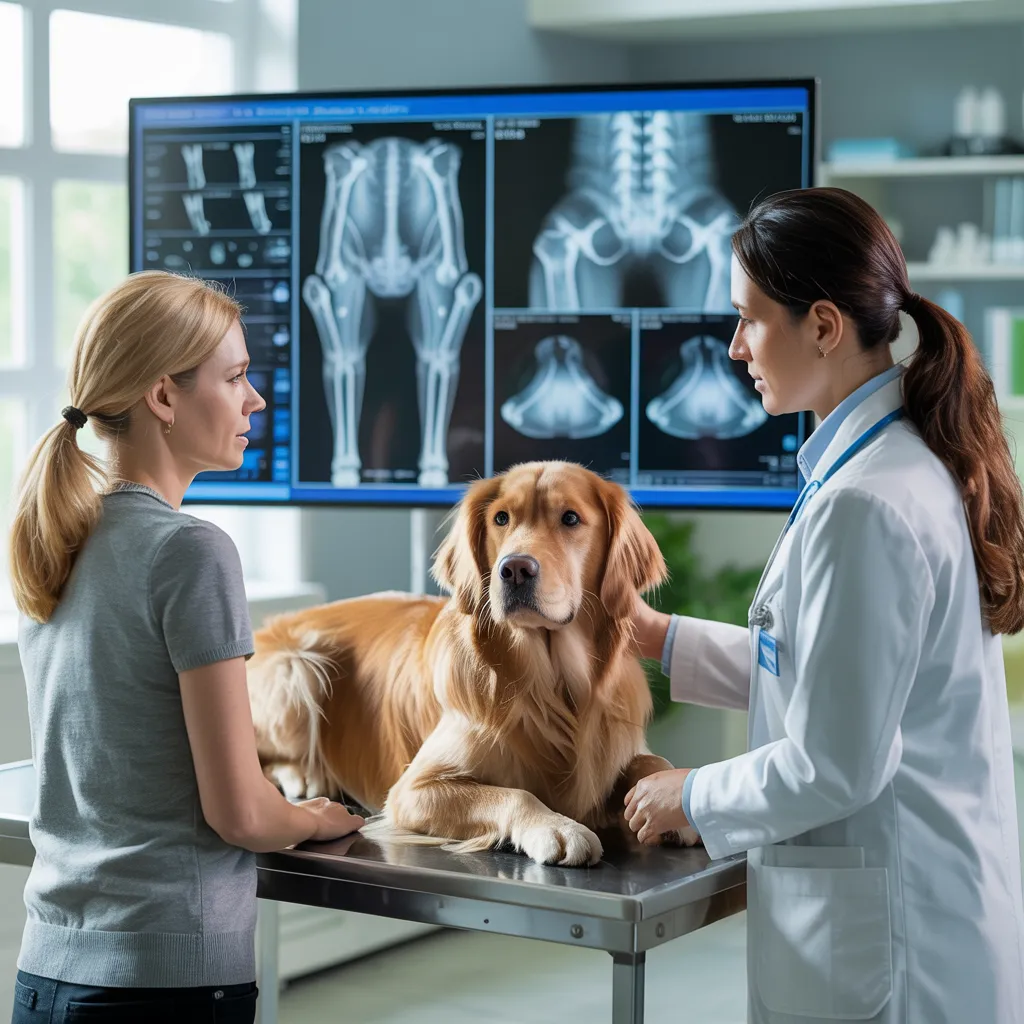
Additionally, vet professionals have availability to modern imaging technology like X-rays, which can reveal structural issues in the hips that are not obvious during a standard check-up. Finding hip dysplasia early allows for timely intervention, which can greatly improve a dog's lifestyle quality. Routine examinations also create an chance for pet owners to discuss any behavioral changes or physical concerns, ensuring that any prospective concerns are addressed promptly. Overall, steady professional care plays a significant role in the early detection and treatment plan of hip dysplasia in dogs.
The Role of Body Mass in Hip Dysplasia Handling
Managing weight plays a key role in the overall handling and treatment of hip dysplasia in dogs. Extra weight puts extra stress on the hip joints, exacerbating pain and limiting mobility. Keeping a healthy weight can lessen this pressure, potentially boosting the dog's quality of life.
A nutritionally sound diet adjusted to match the dog's age, size, and activity level is vital for successful weight control. Regular physical activity is also essential, as it helps preserve muscle mass and joint function while encouraging healthy weight loss. However, exercise should be limited to avoid excessive strain, especially in dogs already showing signs of hip dysplasia.
Pet owners are suggested to collaborate alongside veterinarians to establish fitting weight targets and formulate a detailed management plan. By emphasizing weight management, owners can markedly enhance their dog's comfort and movement, benefiting the overall care of hip dysplasia.
Proven Treatment Choices for Hip Dysplasia
Exploring efficient therapeutic approaches for hip dysplasia is crucial for enhancing a dog's quality of life. Veterinarians typically recommend a blend of surgical and non-surgical approaches customized to the dog's age, severity of the condition, and general health status. Non-surgical treatments include weight control, therapeutic exercise, and nutritional supplements like glucosamine and omega-3 fatty acids. These methods aim to reduce pain and enhance movement.
In more severe cases, surgical options may be indispensable. Surgical treatments such as femoral head osteotomy (FHO) or total hip replacement can provide long-term relief and regain function. Post-operative rehabilitation is critical for recovery and entails structured physical activity and rehabilitative therapy.
Pet owners should collaborate with their veterinarian to devise a detailed care strategy, securing the finest results for their dog. Early intervention and regular management can substantially boost the welfare of canines dealing with hip dysplasia.
Frequently Commonly Posed Questions
How Do Veterinarians Diagnose Hip Dysplasia in Canines?
Hip dysplasia in dogs is identified through a combination of physical examinations, assessment of joint mobility, and diagnostic imaging such as X-rays. Veterinarians assess the alignment of the hip joints to confirm the condition.
Does Hip Dysplasia Have Genetic Origins?
Yes, hip dysplasia is potentially hereditary. Genetic components are important in its development, often determined by the breeding practices full information and lineage of the dog, especially in prone breeds. Knowledge is critical for responsible breeding.
Which Breeds Are Most Likely to Experience Hip Dysplasia?
Some breeds such as German Shepherds, Golden Retrievers, Rottweilers, and Bulldogs are more likely to experience hip dysplasia. Hereditary components, paired with rapid growth and weight, contribute substantially to its development within these breeds.
Is Hip Dysplasia Preventable in Puppies?
Hip dysplasia in puppies cannot be completely avoided, but ethical breeding, maintaining a healthy weight, and providing adequate nutrition can effectively minimize the risk. Early intervention and consistent veterinary care are also beneficial for overall joint health.
What Role Does Age Have in Hip Dysplasia Magnitude?
Age profoundly influences the severity of hip dysplasia, with older dogs often facing increased joint degeneration and pain. Younger dogs may manifest milder symptoms, but early intervention can help mitigate the condition effectively.